
So, should we have a piece of cake in celebrating hit number 300,000? Nope. No thanks. However, I will share a piece of cake with you in celebrating learning, growing, and being good people. Enjoy!
-Mr. Klumper

 |
| Our new class pet |
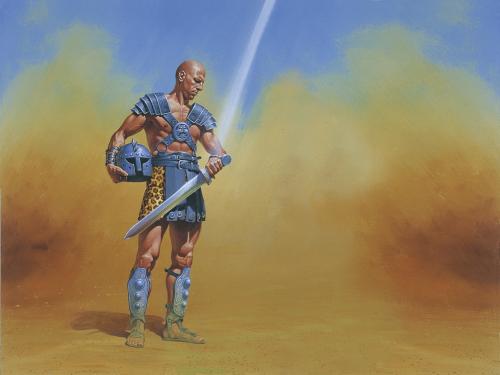 Welcome to the Arena. Lebron James? No. Kobe Bryant? No. Joe Mauer? No. In ancient Rome, these people are nobody. These people are nothing special. For the Roman world, the Gladiator reigned supreme as the "top-dog" in the athletic arena. The gladiator was the super star. What happens to star athletes when they lose? The answer: NOTHING. If a gladiator lost, what would happen to them? The answer: death. The stakes were much higher for the gladiator than the sports stars of today. The gladiator of the Colosseum in Rome fought for freedom and for their life. A popular hobby is to collect trading cards of sports super stars. What if there were gladiator trading cards? Wouldn't that be interesting? Well, there haven't been any gladiator trading cards dug up by archaeologists, so it appears it is up to us to make some. So, let us begin and make Gladiator trading cards.
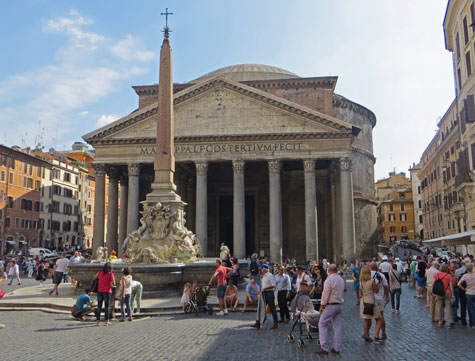 One of the most lasting buildings of the Roman Empire is the Pantheon. With its distinct look of the pillars in the front and the dome on top, the Pantheon has been a tourist hot spot in Rome for years. One of the most intriguing aspect of the Pantheon is the hole, called an oculus, at the top which lets in sunlight and is the only light source in the building. The pantheon was a place for worship for the ancient Romans. Below, you will find two articles to help you with your Pantheon blog book activity. For the Pantheon, we will be using the "hand" method.
 (Use this article to fill out your crossword)


 Scan this QR Code with the "Barcode Scanner" app on your Smart Phone to get WSG on your phone. (Phone must be a smart phone)


